
For Journalists
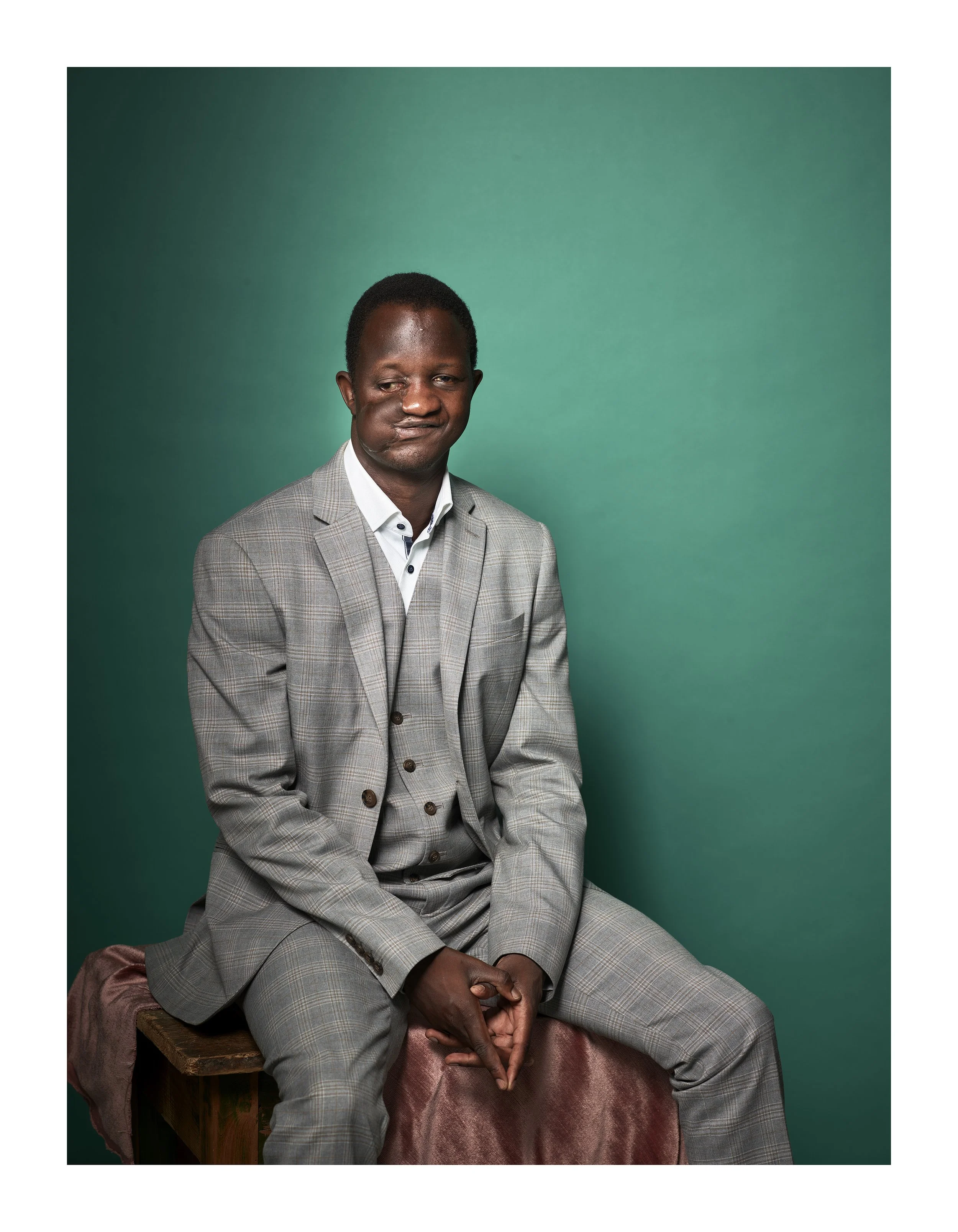
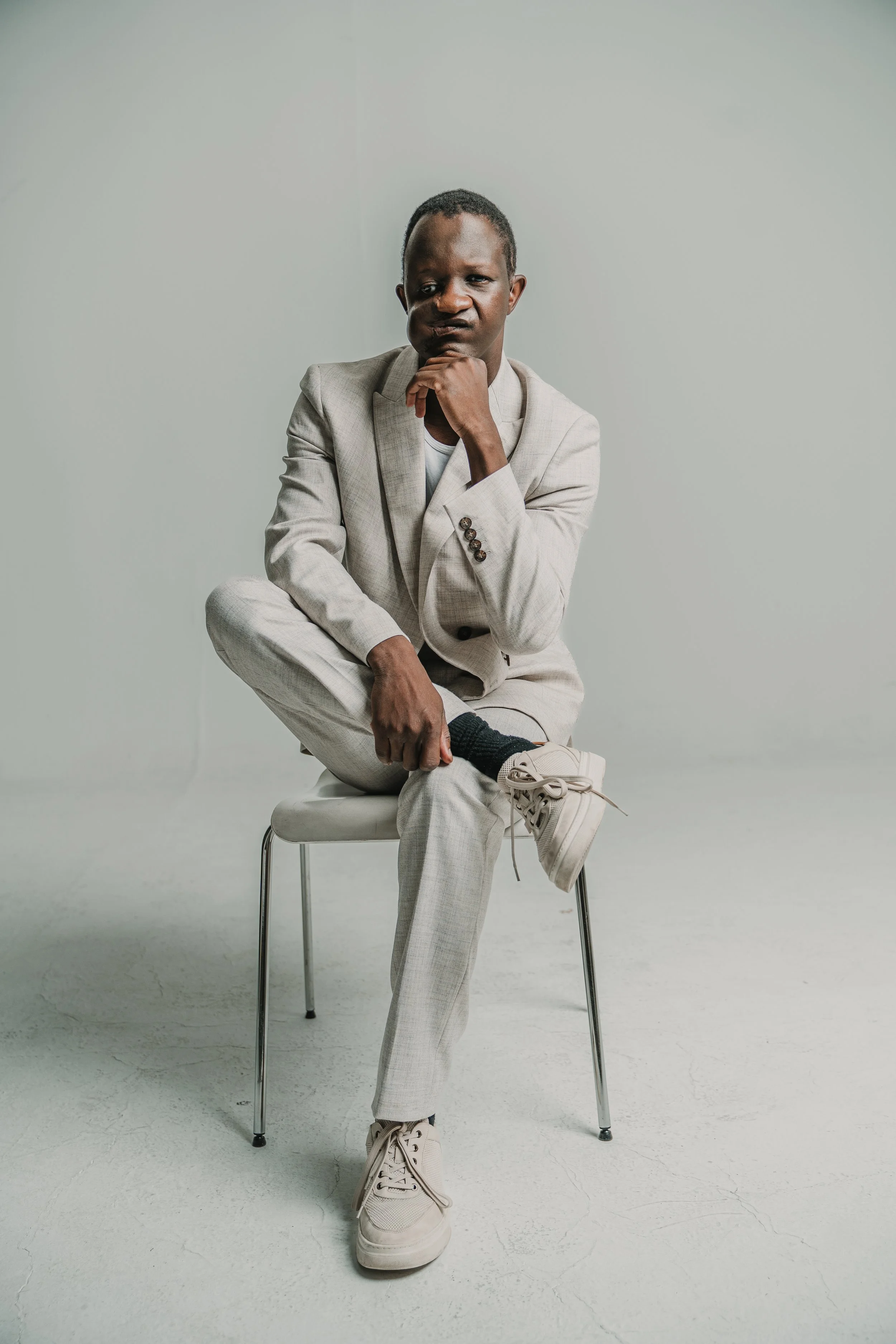
Fidel Strub, born 1991 in Ouagadougou, Burkina Faso, raised in Arisdorf, Switzerland. Based in the Basel area.
Adopted in Geneva in 1998 moved in 1999 to Arisdorf.
Noma survivor, 28 reconstructive operations.
Trained as a watchmaker.
TIME100 Health honoree 2024.
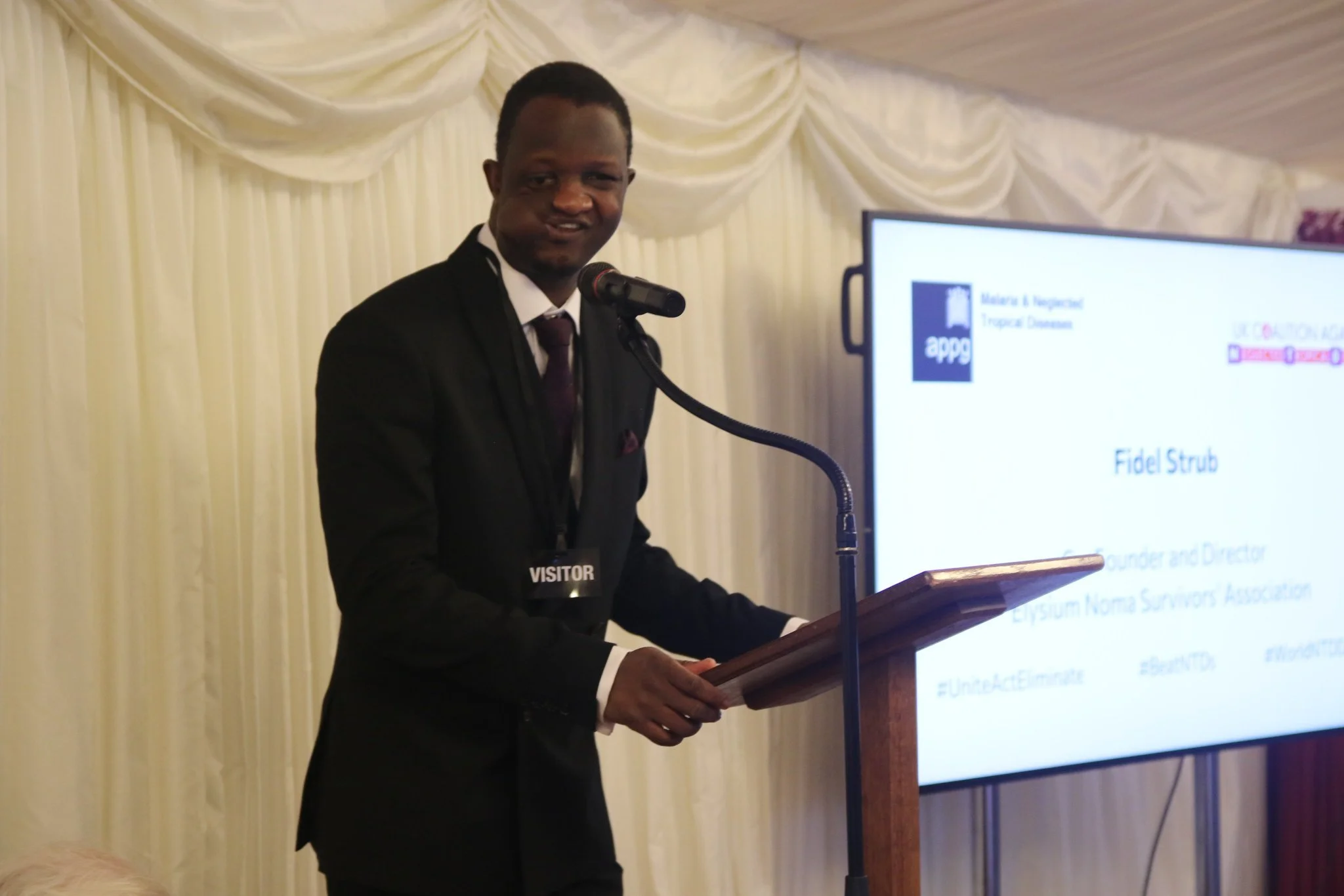
Co-founder and former Executive Director of the Elysium Noma Survivors Association; part of the campaign that achieved WHO recognition of Noma as a neglected tropical disease.
Founder of the Fidel Strub Forum and ALETHEIA TUTELA. Advisor to Swiss TPH.
Former board member of Noma-Hilfe Schweiz.
Languages: English, French, German, Swiss German. Available for interviews in all four.
Biography
Short (50 words)
Fidel Strub is a noma survivor, TIME100 Health honoree and global health advocate. He co-founded the first noma survivors association and led the campaign that put noma on the WHO list of neglected tropical diseases. Today he speaks worldwide on dignity, ethical storytelling and survivor-led change, in English, French and German.
Medium (150 words)
Fidel Strub is a global health advocate, keynote speaker and TIME100 Health honoree. Born in Burkina Faso in 1991, he survived noma, a gangrenous disease that kills up to 90 percent of the children it strikes, and was adopted in Geneva by the doctors who rebuilt his face over 28 operations. Trained as a watchmaker, he co-founded the world's first noma survivors association in 2022 and led the global campaign that brought noma onto the WHO list of neglected tropical diseases in 2023. He has addressed the UK Parliament, spoken alongside WHO leadership and been featured by the BBC, the Guardian and Forbes. Today he advises the Swiss Tropical and Public Health Institute, serves on the board of Noma-Hilfe Schweiz and works worldwide as a speaker on dignity, ethical storytelling and survivor-led change. He works in English, French and German.
Long (400 words)
Fidel Strub is a global health advocate, keynote speaker and TIME100 Health honoree who survived a disease the world forgot, and then helped make the world remember it.
Born in Ouagadougou, Burkina Faso, in 1991 as the seventh of eleven children, Fidel was three years old when a small itch inside his cheek became noma, a gangrenous infection that kills up to nine out of ten of the children it strikes. His father could not find the money for a hospital. His grandmother heard a radio appeal by a Swiss organisation calling for children with holes in their faces to be brought north, where one doctor knew what to do. That broadcast saved his life.
Noma had already destroyed his lips, nose, cheekbone and palate. Too complex a case for local surgery, he was flown to Geneva, where he spent three years in hospital and underwent the first of what would become 28 reconstructive operations. One of his doctors became his mother: she and her husband, both ENT specialists, adopted him in 1998. He grew up in the Swiss village of Arisdorf with two younger sisters, and trained as a watchmaker, a craft of patience and precision.
Survival had a second, quieter battle behind it. Between operations, speech therapy and the stares of strangers, Fidel fought depression and survived three suicide attempts before reaching what he calls acceptance: the moment you say "this is my life now", and start doing something with it.
He began speaking publicly about noma in 2017. In 2022 he co-founded the Elysium Noma Survivors Association, the first organisation led by noma survivors, and led it as Executive Director. Together with a growing community of survivors and partners, he ran the global campaign that led the World Health Organization to add noma to its official list of neglected tropical diseases in December 2023, unlocking funding and research for the first time.
In 2024, TIME named him one of the 100 most influential people in global health. He has addressed the UK Parliament at the House of Lords, spoken alongside WHO leadership, and co-authored research in PLOS Global Public Health. His story has been featured by the WHO, the BBC, the Guardian, Forbes and the Telegraph.
Today he works as a speaker, lecturer and advisor on ethical storytelling, dignity and survivor-led change. He advises the Swiss Tropical and Public Health Institute, sits on the board of Noma-Hilfe Schweiz, and models for Diversecity Models Berlin, because visibility, he says, is a form of resistance. He works in English, French and German.
Topics I speak about
Ethical storytelling and “poverty porn” in aid fundraising
Why images of suffering raise money and destroy dignity, and what works better.
Noma and Neglected Tropical Diseases (NTD’s)
A disease that kills children and was invisible for decades. What its WHO recognition changes, and what comes next.
Decolonising global health
Why communities must lead their own recovery, and why lived experience belongs at the decision table.
Resilience, identity and living with a visible difference
What 28 operations teach you about shame, strength and self-respect.
“The world did not need another survivor story to manage. It needed a standard that protects survivors.”
“Pity helps no one. Real change starts when communities lead their own recovery.”
“Dignity is not optional. Helping someone does not give you the right to use their suffering.”
Past coverage
TIME, BBC World Service, The Guardian, Forbes, Nature and more.
The full archive, going back to 2017, is here: